
Introduction
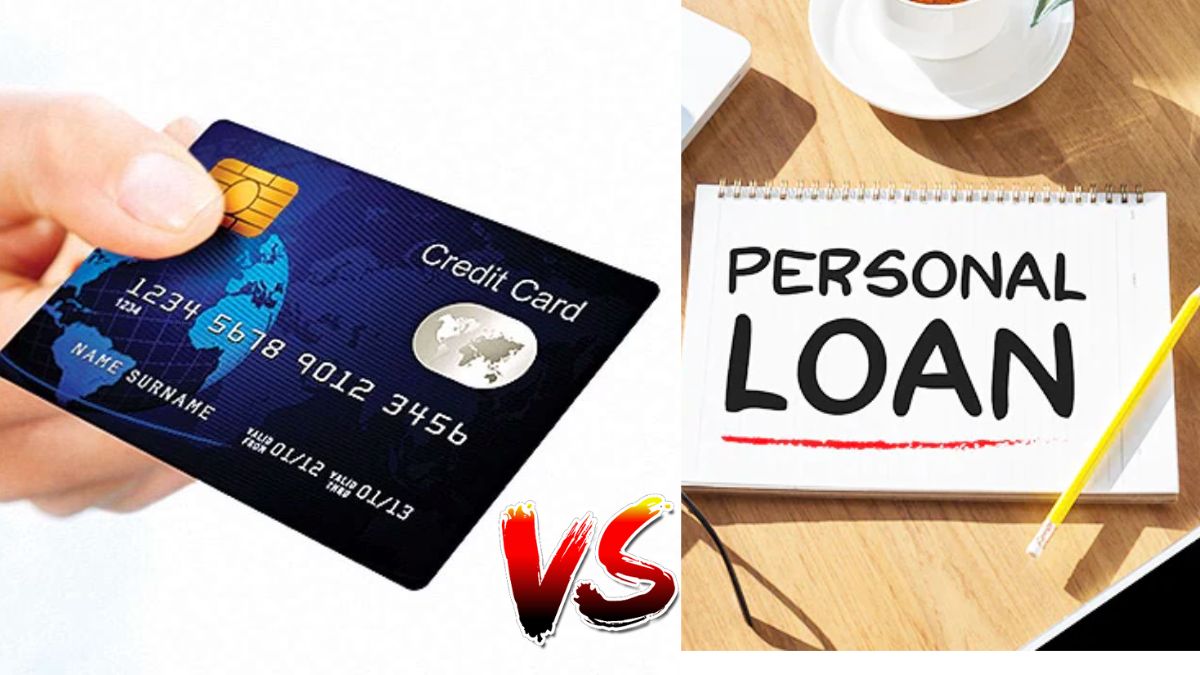
When you need access to funds, two of the most common options are personal loans and credit cards. While both provide borrowing flexibility, they serve different purposes and come with distinct costs, repayment structures, and risks. Understanding these differences helps you choose the right option based on your financial needs.
What Is a Personal Loan?
A personal loan is a fixed amount of money borrowed from a lender and repaid over a set period with interest.
Key Features:
- Fixed loan amount
- Fixed monthly repayments (EMIs)
- Defined repayment tenure
- Usually lower interest rates than credit cards
Best Used For:
- Large expenses like medical bills or home repairs
- Debt consolidation
- Planned financial needs
Personal loans provide structured and predictable repayment.
What Is a Credit Card?
A credit card allows you to borrow up to a pre-approved limit for purchases or cash withdrawals.
Key Features:
- Revolving credit limit
- Flexible repayment options
- Interest charged on unpaid balances
- Often higher interest rates
Best Used For:
- Everyday purchases
- Short-term borrowing
- Emergency expenses
Credit cards offer convenience and flexibility, but require discipline.
Key Differences Between Personal Loans and Credit Cards
1. Interest Rates
- Personal Loans: Typically lower and fixed
- Credit Cards: Higher and variable
2. Repayment Structure
- Personal Loans: Fixed EMIs over a set tenure
- Credit Cards: Minimum payment option with revolving balance
3. Loan Amount
- Personal Loans: Higher borrowing limits
- Credit Cards: Limited by credit limit
4. Usage
- Personal Loans: Lump-sum use
- Credit Cards: Multiple transactions over time
5. Cost of Borrowing
- Personal Loans: Lower total cost if repaid as scheduled
- Credit Cards: Can become expensive if balances are carried forward
When to Choose a Personal Loan
A personal loan is a better choice when you need a large amount and prefer structured repayment.
Ideal Situations:
- Funding major expenses
- Consolidating high-interest debt
- Planning predictable monthly payments
Advantages:
- Lower interest rates
- Fixed repayment schedule
- Clear payoff timeline
When to Use a Credit Card
A credit card is more suitable for smaller, short-term expenses.
Ideal Situations:
- Daily purchases
- Travel and online transactions
- Emergency spending
Advantages:
- Interest-free period (if paid in full)
- Rewards, cashback, and benefits
- Flexible usage
Risks to Watch Out For
Both options come with risks if not managed properly.
Personal Loan Risks:
- Fixed obligation regardless of financial situation
- Penalties for late payments
Credit Card Risks:
- High interest on unpaid balances
- Debt accumulation due to revolving credit
- Overspending
Understanding these risks helps you avoid financial strain.
How to Decide the Right Option
Choosing between a personal loan and a credit card depends on your financial situation.
Consider:
- Amount required
- Repayment capacity
- Urgency of funds
- Interest rates and fees
Simple Rule:
- Use personal loans for large, planned expenses
- Use credit cards for short-term, smaller expenses
Making the right choice reduces borrowing costs and improves financial management.
Conclusion
Both personal loans and credit cards are useful financial tools when used correctly. The key is to understand their differences and match them to your needs. By choosing wisely and managing repayments responsibly, you can avoid unnecessary debt and maintain financial stability.
Frequently Asked Questions (FAQs)
1. Which is cheaper: a personal loan or a credit card?
Personal loans are generally cheaper due to lower interest rates, especially for large amounts.
2. Can I use a credit card instead of a personal loan?
Yes, but it’s not advisable for large expenses due to high interest rates.
3. Do personal loans affect credit scores?
Yes, timely repayments can improve your credit score, while missed payments can harm it.
4. What happens if I only pay the minimum on a credit card?
Interest will continue to accumulate on the remaining balance, increasing your total debt.
5. Are there hidden charges in personal loans?
Some loans may include processing fees or prepayment penalties, so always check terms carefully.
6. Can I convert credit card debt into a personal loan?
Yes, many lenders offer balance transfer or consolidation options to reduce interest costs.
7. Which option is better for emergencies?
Credit cards are more suitable for immediate, short-term emergencies due to quick access.
About the Author


