
Introduction
Debt can be a useful financial tool when managed wisely, but it quickly becomes a burden when it spirals out of control. Many people fall into debt traps not because of a single mistake, but due to a series of small, avoidable financial decisions. Understanding how these traps form is the first step toward avoiding them.
Understand What a Debt Trap Looks Like
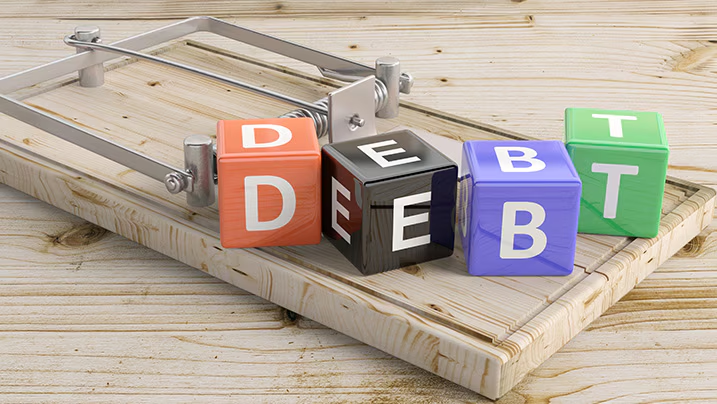
A debt trap occurs when you continuously borrow to repay existing debts, making it difficult to break free.
Common Signs:
- Paying only minimum dues on credit cards
- Taking new loans to cover old ones
- Increasing reliance on credit for daily expenses
- Constant financial stress despite regular income
Recognizing these early warning signs helps you take corrective action sooner.
Create and Stick to a Realistic Budget
A well-planned budget is your first line of defense against debt.
Key Steps:
- Track your income and expenses accurately
- Categorize needs vs. wants
- Allocate funds for savings and emergencies
Why It Matters:
A budget ensures that you spend within your means and avoid unnecessary borrowing.
Build an Emergency Fund
Unexpected expenses are one of the biggest reasons people fall into debt.
How to Prepare:
- Save at least 3–6 months of essential expenses
- Start small and build gradually
- Keep funds easily accessible
Having a financial cushion reduces the need to rely on credit during emergencies.
Avoid High-Interest Credit
High-interest loans and credit cards can quickly snowball into unmanageable debt.
Be Cautious Of:
- Payday loans
- High-interest personal loans
- Rolling over credit card balances
Smart Alternative:
- Choose lower-interest options
- Pay off high-interest debt as quickly as possible
Reducing interest costs helps you stay in control of your finances.
Use Credit Cards Responsibly
Credit cards are convenient but can be dangerous if misused.
Best Practices:
- Pay the full balance every month
- Avoid impulse purchases
- Keep utilization below 30%
Responsible usage prevents debt from accumulating silently.
Don’t Ignore Small Debts
Small debts may seem manageable, but they can pile up over time.
Why This Happens:
- Interest continues to accumulate
- Multiple small debts become overwhelming
Solution:
- Clear smaller debts quickly
- Prioritize high-interest balances
Staying proactive prevents minor issues from becoming major problems.
Be Careful with Lifestyle Inflation
As income increases, spending often rises as well.
Common Mistake:
- Upgrading lifestyle unnecessarily
- Increasing expenses without increasing savings
Better Approach:
- Maintain controlled spending habits
- Increase savings alongside income
Avoiding lifestyle inflation keeps your finances stable.
Understand Loan Terms Before Borrowing
Many people fall into debt due to a lack of clarity about loan conditions.
Always Check:
- Interest rates
- Repayment terms
- Hidden fees and penalties
Being informed helps you avoid unpleasant surprises later.
Set Clear Financial Goals
Having defined goals gives direction to your financial decisions.
Examples:
- Saving for a house
- Building an investment portfolio
- Becoming debt-free
Clear goals encourage disciplined spending and reduce reliance on debt.
Seek Help When Needed
If debt starts becoming unmanageable, seeking help is a smart move.
Options:
- Financial advisors
- Credit counseling services
- Debt restructuring plans
Early intervention can prevent long-term financial damage.
Conclusion
Avoiding debt traps is not about eliminating borrowing entirely—it’s about making informed, disciplined financial choices. By budgeting wisely, managing credit responsibly, and planning for uncertainties, you can maintain financial stability and avoid falling into cycles of debt.
Frequently Asked Questions (FAQs)
1. What is the main cause of falling into a debt trap?
The primary cause is relying on new debt to repay existing obligations, often combined with poor financial planning.
2. How can I tell if I’m heading toward a debt trap?
Signs include increasing debt, difficulty making payments, and frequent use of credit for basic expenses.
3. Is it bad to use credit cards regularly?
No, as long as they are used responsibly and balances are paid in full each month.
4. How much should I save in an emergency fund?
Ideally, you should save enough to cover 3 to 6 months of essential living expenses.
5. Can budgeting really prevent debt?
Yes, a proper budget helps control spending and ensures you live within your means.
6. What should I do if I already have too much debt?
Consider creating a repayment plan, prioritizing high-interest debts, or seeking professional financial advice.
7. Are all types of debt harmful?
No, some debts like education or home loans can be beneficial if managed responsibly.
About the Author


